
Training Workshop · Durban & Pretoria About Careers Contact Book a Consultation
Call us Email
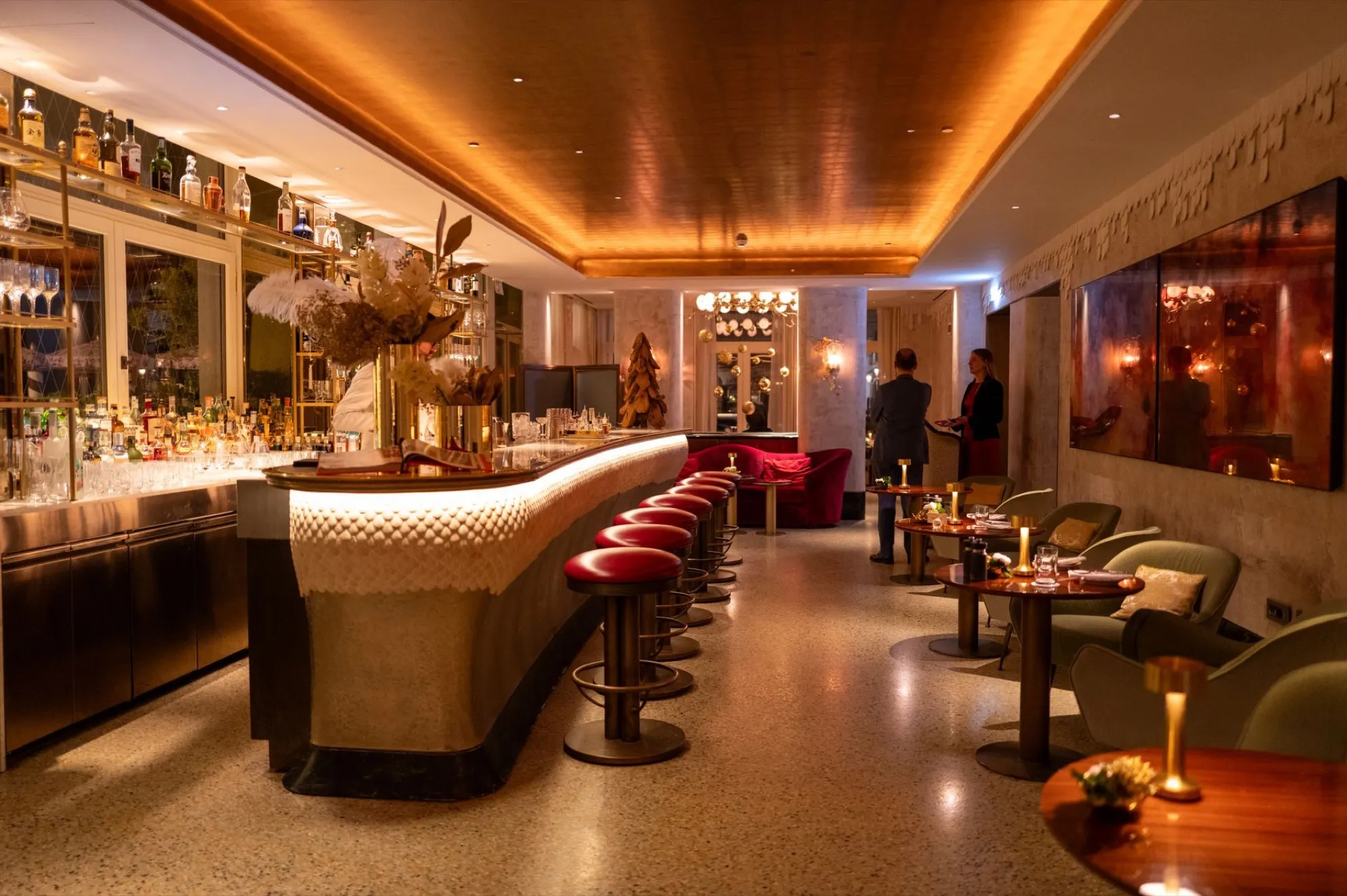
Upscale bar interior with warm ambient lighting
Home/Services/Liquor Licence
Licensing - done for you in South Africa

Liquor Licence Application in South Africa

If you sell or serve alcohol from a tavern, pub, restaurant, hotel, club or bottle store, you need a retail liquor licence from your provincial liquor authority. Insika can prepare and lodge the full application for you.

Authority
Provincial liquor board
Typical timeline
4 - 6 months or more
Indicative total
R15 000 - R45 000+
Renewal
Annual
What Insika does for you

Your liquor licence, from application to approval

You focus on the venue and the customers. We prepare, lodge and follow the whole provincial liquor licence through to grant and keep it renewed.

New liquor licence applications

A new licence is a full provincial process: the right licence type, correctly zoned premises, a floor plan, the newspaper and on-site public notice, and the wait through the objection period before the board decides. We confirm the zoning, compile the whole application, lodge it with the board for your province, and manage the notice and objections. Get any of it wrong and you can end up with a fitted-out, stocked venue that legally cannot open its doors while a rejected application starts again from scratch.

We do this application-to-approval every week across the provincial boards, so your file is right the first time and you know exactly where it stands.

Licence transfers and renewals

A liquor licence does not follow the sale of a business, and it does not renew itself. Buy a licensed venue and the licence must be transferred into your name through the board before you may trade; hold one and it must be renewed every year on your provincial deadline. Miss the renewal and penalties escalate fast, and an unpaid licence can be revoked and shut you overnight. We handle the transfer application and diarise and file every renewal so it never lapses.

We track your provincial deadline and act ahead of it, so a missed date never costs you your licence or a forced closure.

Restaurant and bar licensing

A restaurant or bar serving alcohol needs an on-consumption licence tied to a specific, zoned premises, with a layout showing where drink is served and a public notice inviting objections. We match the licence to how you actually trade, prepare the plan and motivation, and carry it through the board. Serving before the licence is granted, or on a lapsed one, is a criminal offence that can bring fines, confiscated stock and a closed kitchen.

We know what each provincial board wants to see on a food-and-beverage application, so yours is not the one sent back for a missing document.

Tavern and pub licensing

Taverns and pubs need the same on-consumption licence, but they draw far more scrutiny on zoning, noise and community objections, especially where the premises is a converted house or a shebeen going legal. We confirm the zoning before you commit, prepare the premises description, photographs and motivation, and manage the objection process through to grant. Bad zoning or an unanswered objection is what leaves a tavern unable to trade for months.

We prepare tavern and pub files with the objections already answered, and can formalise an existing shebeen from company registration through to a full licence.

Bottle store licensing

A bottle store needs an off-consumption licence, and it lives or dies on the site: the premises must be correctly zoned for liquor retail and sit a compliant distance from schools, places of worship and other outlets. We assess the site against zoning and distance rules before you sign a lease, then prepare and lodge the full application. A store that fails on distance after the lease is signed is money and months gone.

We check the site first, so you never build a bottle store on a stand the board will refuse.

Event liquor licences

A festival, fundraiser, sports day or corporate function that sells or serves alcohol usually needs a temporary or special event licence, granted for the specific date and place. We apply well ahead of the event so the approval is in hand before the gates open. Selling on the day without it is illegal, and a late application can leave you unable to run the bar you have already budgeted for.

We build in the lead time and handle the paperwork, so your event trades legally without a last-minute scramble.

Licence amendments and compliance

Once you are trading, changing the premises, the plan, the trading conditions or the ownership needs the board's approval, and your operation has to keep meeting its licence conditions or risk a fine, suspension or cancellation. We lodge the amendments and run compliance checks so a renovation, an expansion or an ownership change does not quietly put you offside. Trading outside your licence terms is treated as seriously as trading with no licence at all.

We keep your licence matched to how you actually operate, so a change to the business never becomes a compliance problem.

Book a Consultation Call +27 60 790 9132 Free first consultation. Nationwide. No obligation.

A liquor licence application in South Africa is a provincial process. Each of the nine provinces issues retail and on-consumption licences under its own Liquor Act, through its own liquor authority or board. Whether you run a tavern, pub, restaurant, hotel, club, or a bottle store, you apply to the board for the province where the premises are located, not to a single national office.

The national tier is separate. The National Liquor Authority, under the Department of Trade, Industry and Competition, registers macro manufacturers and distributors of liquor. Retail sale and micro-manufacturing stay with the provinces. So a bottle store in Gauteng applies to the Gauteng Liquor Board, a restaurant in the Western Cape applies to the Western Cape Liquor Authority, and so on.

This page sets out the liquor licence requirements, the licence types, how to apply step by step, what it costs, how long it takes, the documents you will need, and how annual renewal works. If you would rather not navigate it alone, Insika can manage the whole application on your behalf.

Liquor licence requirements

Requirements differ in detail from province to province, but the core of what every provincial liquor board expects is consistent. Before you lodge a liquor licence application, you generally need:

  • A registered legal entity. The applicant is usually a company registered with the Companies and Intellectual Property Commission (CIPC). Proof of registration is required. If you have not registered yet, see our company registration service.
  • Correctly zoned premises. A zoning certificate from your local municipality must confirm the premises are zoned for the sale or consumption of liquor.
  • A fixed, identifiable premises. You apply for a specific address. A detailed layout or floor plan must show where alcohol will be stored, sold and, for on-consumption, consumed.
  • Public notice. You must advertise your intention to apply, usually in a local newspaper and by notice at the premises, so that the community and the police can object within a set period.
  • A suitable applicant. You must be over 18, a South African citizen or permanent resident, and not disqualified (for example by certain criminal convictions or insolvency). Directors are assessed.

Some provinces and premises also call for a SAPS clearance, a health certificate, a fire compliance certificate and a tax clearance. Confirm the exact checklist with your provincial liquor authority before you lodge.

A common reason applications fail or stall is incorrect zoning. Confirm the zoning of the premises with your municipality before you sign a lease or buy a property.

Types of liquor licence

The right licence depends on whether customers drink the alcohol on the premises or take it away, and on what you sell. The retail and consumption licences below are provincial. Manufacturing and distribution at scale are national.

On-consumption (drink on the premises)

  • Pub, tavern or bar - alcohol sold for drinking on site.
  • Restaurant or eatery - liquor served with meals.
  • Hotel, guest house or club - liquor for guests or members.
  • Special event or temporary licence - a one-off or short-term licence for a function, festival or fundraiser.

Off-consumption (take away)

  • Bottle store or liquor store - sealed liquor sold to be consumed elsewhere.
  • Grocery or other retail wine sales - where provincial law allows.

National (the dtic / National Liquor Authority)

  • Macro-manufacturing registration - large-scale producers of liquor.
  • Distribution registration - wholesale distribution of liquor.

Micro-manufacturers, such as small craft producers, are generally licensed provincially, but the route depends on scale, so check whether your operation falls under your province or the National Liquor Authority.

Rather have Insika handle your liquor licence? A consultant can take it from here, start to finish.
Book a Consultation

How to apply for a liquor licence step by step

The application route is broadly the same across the provinces, although the forms, fees and waiting periods differ. This is how a typical liquor licence application runs from start to grant.

  1. Confirm licence type and premises

    Decide which licence you need based on how you will sell or serve alcohol, and confirm the premises are correctly zoned with your municipality. Get the zoning right before you commit to the property.

  2. Register the entity and gather documents

    Register your company with CIPC if you have not already, and assemble the supporting documents (lease or title deed, floor plan, identity documents, tax clearance and any health, fire or police clearances your province requires).

  3. Complete and lodge the application

    Complete the provincial application form, pay the application fee, and lodge the full application with the liquor board for the province in which the premises are located. You can lodge in person or, where the province offers it, through its online portal, or use a consultant or attorney.

  4. Publish and post public notice

    Advertise your intention to apply, usually in a local newspaper and by a notice displayed at the premises. This opens the objection period during which the community and the police may object.

  5. Objection period and any hearing

    The board allows a set period for objections. If objections are received, the board may hold a hearing where you and any objectors can be heard before a decision is made.

  6. Decision, grant and fee

    The board considers the application, the report on the premises and any objections, then grants or refuses the licence. On grant, you pay the granting fee and receive your licence. You can only trade once the licence is issued.

Some provinces let you start the application online, but most still require original signed documents and the public notice steps. Treat "online" as the first step, not the whole process.

How much does a liquor licence cost

There is no single national price. Each provincial liquor authority sets its own fees, and they change from time to time, so always confirm the current tariff with your province. The cost has several parts: the official application and granting fees, the public notice, the supporting documents, and any professional help you use.

The figures below are indicative ranges for budgeting a new on or off-consumption licence. They are not Insika prices and they are not a guaranteed total for your matter.

Indicative costs for a new retail liquor licence (verify current figures with your provincial liquor authority)
ItemIndicative cost
Provincial application feeR2 000 - R10 000 depending on province and licence type
Granting fee on approvalVaries by province (for example Western Cape new licence granting fee around R3 227 in 2026)
Newspaper and public noticeR500 - R2 000
Zoning certificate and premises planR1 500 - R5 000
Consultant or attorney fees (optional)R5 000 - R25 000
Indicative total for a new licenceR15 000 - R45 000+
As a worked example, the Western Cape Liquor Authority listed a new licence application fee of about R2 580 and a granting fee of about R3 227 for 2026, with temporary and event licences around R570 plus R323 per day. Other provinces differ - verify with the relevant provincial liquor authority.
Short on time for the liquor licence? Let our team do the application and the follow-ups for you.
Book a Consultation

How long does a liquor licence take

A realistic expectation is four to six months or more from a complete, correctly compiled application to final grant. The timeline depends on the province, the board's workload, whether the public notice and objection periods run cleanly, and whether anyone objects.

  • Faster: a complete application, correctly zoned premises, no objections.
  • Slower: missing documents, zoning problems, objections that trigger a hearing, or a backlog at the board.

Special event and temporary licences are quicker, but they should still be applied for well ahead of the date. Build the licence timeline into your business plan, because you cannot legally trade until the licence is granted.

Documents you will need

The exact list depends on your province and licence type, but most applications call for the documents below. Having them ready and correct is the single biggest factor in avoiding delays.

Certified copy of CIPC company registration documents
Certified ID copies of the applicant and all directors or members
Lease agreement or title deed for the premises
Zoning certificate from the local municipality
Detailed floor or site plan of the premises
Proof of the newspaper notice and notice posted at the premises
SAPS clearance, where the province requires it
Health and fire compliance certificates, where required
Tax clearance certificate (SARS)
Proof of payment of the application fee
Want this off your plate? We handle the liquor licence end to end while you run the business.
Book a Consultation

Liquor licence renewal

A liquor licence is not once-off. It must be renewed every year. Miss the renewal and you risk penalties, and ultimately a revoked licence that forces you to stop trading.

Renewal deadlines are set by each province. In most provinces renewal is due on or before 31 December each year. Gauteng works on the anniversary date of the licence, and some provinces set their own date (for example the Eastern Cape has used a 28 February cut-off). Confirm your date with your provincial liquor authority and diarise it.

Late renewal attracts escalating penalties. Provinces have applied a 50% penalty for payment after the deadline but on or before 31 March, and a 100% penalty after that, with condonation of a very late payment subject to a penalty as high as 150% (verify the current penalties with your provincial liquor authority). If the renewal is not paid, the licence can be revoked and you must stop trading immediately.

Set a renewal reminder a month before your provincial deadline. Renewing on time is far cheaper than paying penalties or reapplying after a revocation.

Trading without a liquor licence

Selling or supplying alcohol without a valid liquor licence is a criminal offence in every South African province. The consequences can include fines, imprisonment, and confiscation of your stock. Continuing to trade on an expired or unrenewed licence is treated as a serious breach of your trading conditions and can lead to the same enforcement action.

The practical lesson is simple: do not open, serve or sell until your licence has been granted, and keep your renewal current. The cost and time of doing it properly are far smaller than the cost of being shut down or prosecuted.

Official sources

This guide is based on the current rules published by the relevant South African authorities. Always confirm the latest fees and requirements with the office that applies to you.

FAQ

Frequently asked questions

How much does a liquor licence cost in South Africa?

There is no single national price. Provincial application fees commonly run from about R2 000 to R10 000 depending on the province and licence type, with a separate granting fee on approval. Once you add the newspaper notice, zoning certificate, premises plan and any professional help, a new on or off-consumption licence typically falls in the R15 000 to R45 000+ range. Confirm current fees with your provincial liquor authority.

How long does a liquor licence take to get?

Plan for four to six months or more from a complete application to final grant. The time depends on your province, the board's workload, the public notice and objection periods, and whether anyone objects. Special event and temporary licences are faster but should still be applied for well in advance.

What are the requirements for a liquor licence?

You generally need a CIPC-registered entity, premises that are correctly zoned for liquor (confirmed by a municipal zoning certificate), a detailed premises plan, a public notice of your application, and a suitable applicant who is over 18 and not disqualified. Some provinces and premises also require SAPS, health, fire and tax clearances. Confirm the exact list with your provincial liquor authority.

Can I apply for a liquor licence online?

Some provinces let you start a liquor licence application online or lodge through a portal, and the National Liquor Authority uses an online case management system for manufacturing and distribution registrations. In practice most provincial applications still require original signed documents and the newspaper and premises notice steps, so treat online as the first step rather than the whole process. Check what your province offers.

Do I need a liquor licence?

If you sell, serve or supply alcohol, yes. Any pub, tavern, restaurant, hotel, club or bottle store needs a retail liquor licence from its provincial liquor authority. Even a single function where alcohol is sold usually needs a special event or temporary licence. Trading without one is a criminal offence.

How does liquor licence renewal work?

A liquor licence must be renewed every year. Most provinces require renewal on or before 31 December, Gauteng works on the anniversary date of the licence, and some provinces set their own date. Late renewal attracts escalating penalties, and an unpaid renewal can lead to the licence being revoked. Diarise your provincial deadline and renew early.

What happens if I trade without a liquor licence?

Selling alcohol without a valid licence is a criminal offence in every province. Penalties can include fines, imprisonment and confiscation of your stock. Trading on an expired or unrenewed licence is treated the same way. Do not open or sell until your licence is granted, and keep your renewal current.

Are liquor licence consultants worth using?

Liquor licence consultants prepare and lodge the application, confirm zoning, manage the public notice and objection process, and follow the matter through the board. For a process that is province-specific, document-heavy and slow to correct once it goes wrong, that support often saves time and avoids a rejected application. Insika offers exactly this, done for you.

Is the liquor licence process the same in every province?

No. Retail liquor licensing is provincial, so the Gauteng Liquor Board, Western Cape Liquor Authority, KwaZulu-Natal Liquor Authority, Eastern Cape, Free State, Limpopo, Mpumalanga, North West and Northern Cape boards each run their own forms, fees, waiting periods and renewal dates under their own Liquor Act. The shape of the process is similar everywhere, but the detail differs, so always apply to and confirm requirements with the board for your province.

Who issues liquor licences, the dtic or the province?

Retail and on-consumption licences (tavern, pub, restaurant, hotel, club, bottle store) are issued by the provincial liquor authority. The National Liquor Authority under the Department of Trade, Industry and Competition (the dtic) handles macro-manufacturing and distribution registration nationally, not retail. Choose your route by what you do: retail and serving is provincial, large-scale making and distributing is national.

What is the difference between an on-consumption and off-consumption licence?

An on-consumption licence allows alcohol to be drunk on the premises, so it suits a pub, tavern, restaurant, hotel, club or bar. An off-consumption licence allows sealed liquor to be sold and taken away, which is what a bottle store or liquor store needs. The two attract different conditions and fees, and a business that both serves and sells may need to apply for the right combination for its province.

How do I check my liquor licence application status?

You check progress with the provincial liquor authority you lodged with, using your application or reference number. Some provinces offer an online portal or status line, while others confirm by phone, email or at their offices. Keep your reference number and proof of lodging, and follow up if the objection period has passed without an update. Insika tracks the application with the board on your behalf when we manage it for you.

IC
The Insika Consulting team
Compliance, licensing and registration specialists

Insika Consulting handles company, tax, licensing and compliance registrations for South African businesses every working day. Every guide on this site is written from the requirements the relevant regulator applies at the time of writing, and the same team handles the application end to end when a client would rather not do it alone.

Offices in Durban and Pretoria, serving clients across South Africa. Work spans CIPC company registration, SARS tax matters, B-BBEE, and industry licensing such as PSIRA, CIDB, liquor and petroleum.

Reviewed and maintained by the Insika team. Last updated 2026-06-30.

Related services

Comply. Grow. Succeed.

Ready to get your liquor licence handled?

Book a free consultation and let Insika take the paperwork, the regulators and the follow-ups off your plate. You focus on the business, we keep it compliant.

Need this handled for you? Our team is one call away. Speak to a consultant