
Training Workshop · Durban & Pretoria About Careers Contact Book a Consultation
Call us Email
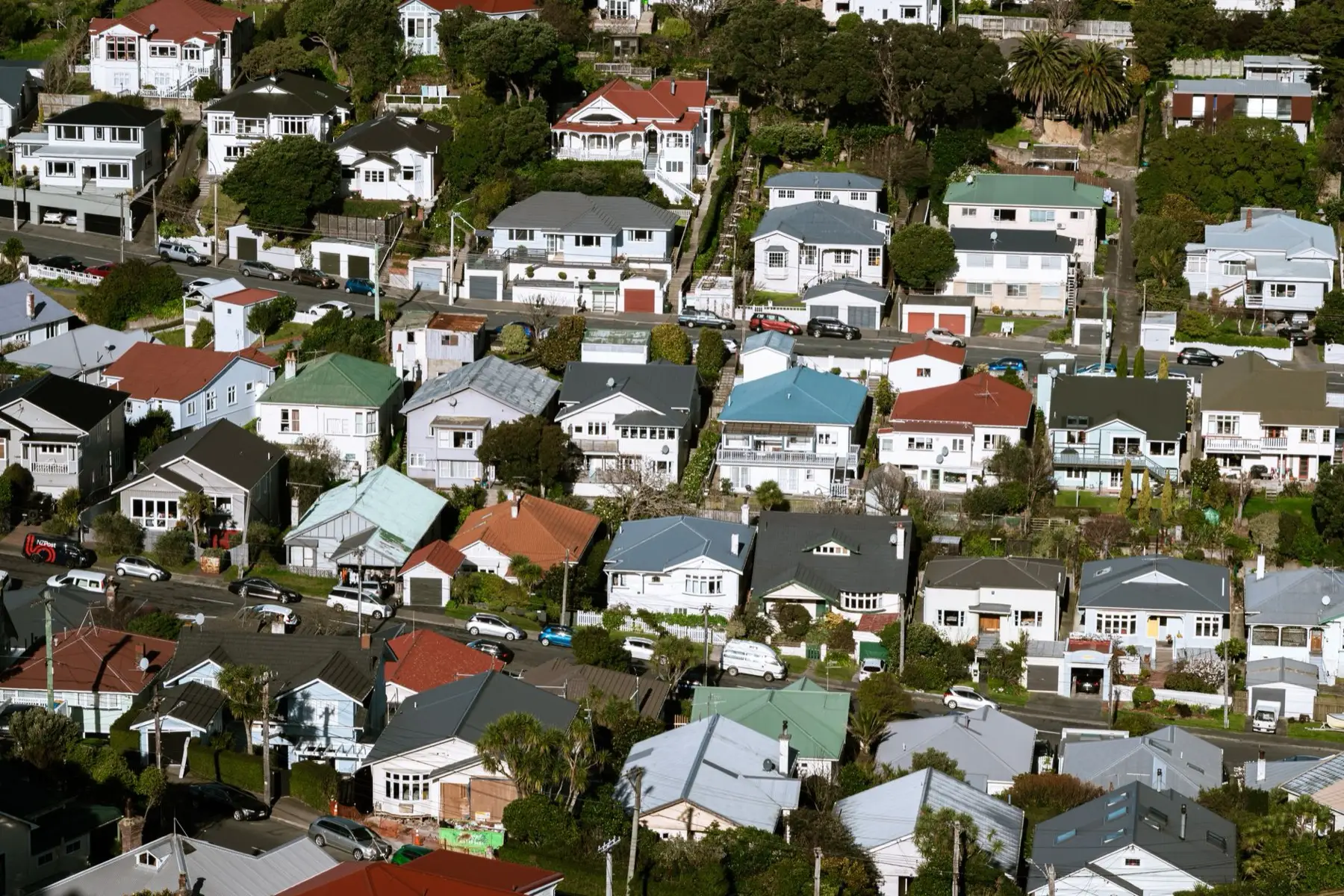
Aerial view of a suburban housing development in South Africa
Home/Services/NHBRC Registration
Compliance - done for you in South Africa

NHBRC Registration in South Africa

If you build or sell new homes in South Africa, you must register with the National Home Builders Registration Council before you start. Insika can prepare and lodge your NHBRC registration and keep your renewal current.

Authority
National Home Builders Registration Council (NHBRC)
Application fee
R745.61 once-off (verify with the NHBRC)
Annual renewal
R526.32 per year (verify with the NHBRC)
Typical timeline
60 - 90 days
What Insika does for you

We register your business with the NHBRC

Building or selling a new home without NHBRC registration is a criminal offence, and every home you build must be enrolled before you break ground. We handle the registration, the enrolments and the annual renewal so you can build and sell legally.

NHBRC home builder registration

The National Home Builders Registration Council registers home builders under the Housing Consumers Protection Measures Act, and Section 10 makes carrying on the business of a home builder without registration a criminal offence carrying a fine or up to a year in prison. Registration includes a technical assessment your nominated person must pass within 30 days of paying the fees, plus a Builders Induction workshop. We prepare the full application, get your company and tax clearance in order, and follow it through to your registration certificate and number.

The technical assessment and its 30-day clock catch most applicants out. We get every document right before you lodge and guide your technical person to the assessment, so the process does not stall.

Annual renewals

NHBRC registration must be renewed every year with the annual membership fee (R526.32 at the time of writing, indicative, verify with the NHBRC). Let it lapse and you are no longer a registered home builder, which means you cannot legally build or enrol homes, and banks, developers and government housing programmes drop you when they check your standing. We submit the renewal with an up-to-date tax clearance and current company details through the NHBRC portal and keep your registration active.

An expired SARS tax clearance is the most common reason a renewal stalls. We diarise the renewal and keep your tax clearance valid so it goes through cleanly.

Home enrolment submissions

Being a registered builder does not let you build a specific home. Every individual new home must be enrolled with the NHBRC before construction starts, and the NHBRC wants the enrolment at least 15 days before you break ground. No enrolment certificate, no legal start, and the enrolment fee is what funds the five-year structural warranty and the stage inspections for that home. We lodge each enrolment on the sliding-scale fee so you can start on time.

We track every project separately so each home is enrolled well before its 15-day deadline, and a registered builder never gets caught unable to break ground.

Late enrolment assistance

If a home was started, or is well underway, before it was enrolled, you have a compliance problem that blocks the warranty and can stop the build. Building a home that has not been enrolled is an offence under the same Act, and the NHBRC treats a late enrolment differently to one lodged on time. We deal with the NHBRC to enrol a home that is already under construction and get the paperwork straightened out.

We know how the NHBRC handles late and retrospective enrolments and manage the submission so an oversight does not halt your project or void the buyer's warranty.

Builder documentation preparation

NHBRC applications are document-heavy and the exact list changes by entity type: CIPC documents, a valid original SARS tax clearance, certified director IDs, a bank confirmation letter, proof of residence, and a trust deed or partnership agreement where they apply, all recently certified. Missing or wrongly certified documents are the single biggest cause of delay. We assemble and check the full set against your entity type before anything is lodged.

We match the checklist to whether you are a company, trust or partnership and certify everything correctly up front, so the application is not sent back for paperwork.

Compliance support

Staying compliant with the NHBRC means more than the certificate on the wall: keeping the annual renewal current, enrolling every home on time, and staying in good standing so banks and government programmes keep awarding you work. The technical assessment also tests the National Building Regulations (SANS 10400), which is the same standard your builds must actually meet. We keep the registration, the renewals and the enrolments joined up so nothing slips.

We treat NHBRC compliance as an ongoing cycle rather than a one-time form, so your standing stays clean and your access to finance and housing programmes never quietly dries up.

Book a Consultation Call +27 60 790 9132 Free first consultation. Nationwide. No obligation.

NHBRC registration is a legal requirement for anyone in the business of building or selling new homes in South Africa. The National Home Builders Registration Council, the NHBRC, is the statutory body set up under the Housing Consumers Protection Measures Act to regulate home builders and protect home buyers. Section 10 of that Act makes it a criminal offence to carry on the business of a home builder without being registered, so this is not optional.

There are two parts to NHBRC compliance, and they are often confused. First, the builder registers as a home builder, which is the once-off registration with an annual renewal that this page is mostly about. Second, every individual new home the builder constructs must be enrolled with the NHBRC before construction starts, which is a separate, per-house process that funds the five-year structural warranty for the buyer. You need both: registration to be allowed to build at all, and enrolment for each home you build.

This page sets out who must register, the requirements, the step-by-step process, the technical assessment, what it costs, how long it takes, the documents you will need, how home enrolment differs from builder registration, and how annual renewal works. If you would rather not navigate it alone, Insika can manage your NHBRC registration for you.

What is the NHBRC?

The National Home Builders Registration Council (NHBRC) is the regulator of South Africa's home building industry. It was established under the Housing Consumers Protection Measures Act 95 of 1998 with a clear purpose: to protect home buyers against the risk of poor workmanship and structural failure in new homes, and to set and enforce building standards for the people who build them.

It does this in three main ways. It registers home builders and checks they have the technical competence to build to standard. It enrols every new home and inspects the build at key stages. And it runs a warranty fund that pays for remedial work where a registered builder fails to fix major structural defects in an enrolled home within the warranty period. For a builder, being NHBRC registered is also a mark of credibility: banks and the major housing programmes will not finance or award work to a builder who is not registered.

Who must register with the NHBRC?

The law is broad. Any person or business that carries on the business of a home builder must be registered with the NHBRC before they build. In practice that means you must register if you:

  • Build new homes for sale or for a client. Contractors and developers who construct residential dwellings.
  • Sell or market new homes you have built. Selling a newly built home is itself part of the business of home building.
  • Build homes under a government housing or subsidy programme. Registration and enrolment are conditions of being awarded and paid for that work.
  • Build a home for yourself as an owner builder. Owner builders can apply for an exemption, but they still have to deal with the NHBRC rather than ignore it.

Registration is for legal entities. The NHBRC requires a company registered with the Companies and Intellectual Property Commission (CIPC), so a sole proprietor or an informal trader generally cannot register as is and needs to register a company first. If you have not registered a company yet, see our company registration service. Building or selling a new home without NHBRC registration is a criminal offence that can carry a fine or imprisonment of up to one year.

You cannot register as a home builder in your personal name as a sole proprietor. The NHBRC registers companies, trusts, partnerships and close corporations, so most applicants register a company with CIPC first.
Rather have Insika handle your nhbrc registration? A consultant can take it from here, start to finish.
Book a Consultation

NHBRC registration requirements

The exact list depends on the type of entity applying, but the core of what the NHBRC expects is consistent. To register as a home builder you generally need:

  • A registered legal entity. A CIPC-registered company (or a trust, partnership or close corporation), with its registration documents. Sole proprietors do not qualify.
  • A valid SARS tax clearance. An original, valid tax clearance from the South African Revenue Service for the applicant entity.
  • A nominated technical person. A director or qualified employee who will sit and pass the NHBRC technical assessment on the entity's behalf.
  • Identity and supporting documents. Certified ID copies of the directors or members, proof of business banking, and proof of residence, all recently certified.
  • Payment of the registration fees. The once-off application fee and the first annual membership fee.

The technical competence requirement is what sets NHBRC registration apart from a simple paperwork exercise. The NHBRC wants to know that the person responsible for the building work understands the National Building Regulations and how to build a home that will not fail. Confirm the current document checklist for your entity type on the NHBRC online portal before you lodge, as it differs between companies, trusts and partnerships.

How to register with the NHBRC step by step

Registration runs through the NHBRC online services portal and then a technical assessment and an induction workshop at an NHBRC office. This is how a typical application runs from start to certificate.

  1. Register your company first

    If you do not already have one, register a company with CIPC, because the NHBRC will not register a sole proprietor. Make sure the company is set up and its registration documents are in hand before you start the NHBRC application.

  2. Complete the online application

    Create an account on the NHBRC online services portal and complete the home builder registration application form. Nominate the director or employee who will sit the technical assessment as your technical person.

  3. Attach your supporting documents

    Upload the required documents for your entity type: SARS tax clearance, CIPC documents (Notice of Incorporation Co 14.1 and certified shareholding certificate for a company), certified director IDs, proof of banking and proof of residence.

  4. Receive the invoice and pay the fees

    The NHBRC issues an invoice for the once-off application fee and the first annual membership fee. Pay it by electronic transfer into the NHBRC bank account and keep your proof of payment, as it triggers the next step.

  5. Study and sit the technical assessment

    You receive the Home Builders Manual to study. Your nominated technical person must pass a written technical assessment within 30 days of paying the fees, covering the National Building Regulations (SANS 10400), foundations, structural work and good building practice. Two attempts are allowed within that period.

  6. Attend the builders induction and collect your certificate

    Once the assessment is passed, you attend a Builders Induction workshop at your nearest NHBRC customer care office. This confirms the application, and you receive your NHBRC registration certificate and registration number, after which you may build.

The technical assessment is the step that catches most applicants out. The 30-day clock starts when you pay, so book and prepare for it promptly rather than leaving it to the last week.
Short on time for the nhbrc registration? Let our team do the application and the follow-ups for you.
Book a Consultation

Home enrolment versus builder registration

This is the single most important distinction to get right. Registering as a builder does not, on its own, allow you to build a specific home. The two processes are separate.

Builder registration

This is the once-off registration of the business as a home builder, renewed every year. It is what allows you to be in the business of building homes at all. It involves the technical assessment, the application fee and the annual membership fee covered above. You do this once for the company.

Home enrolment

This is a separate, per-house process. Every individual new home you build must be enrolled with the NHBRC before construction starts, and the NHBRC asks for enrolment at least 15 days before you break ground. You cannot start building a home until the enrolment certificate (or an exemption letter) is in hand. The enrolment fee funds the NHBRC warranty cover, the stage inspections of that home, and any remedial work the fund has to pay for. So a registered builder who builds ten homes in a year enrols ten times, once per home, in addition to their single annual builder renewal.

Enrolment fees are charged on a sliding scale based on the value of the home rather than as a flat fee. As a guide the levy has been around 1.3% on the first portion of the home value, tapering down on higher value bands, up to a capped maximum per home (verify the current enrolment tariff and cap with the NHBRC, or use the NHBRC enrolment calculator).

Registered, but cannot start your build? You almost certainly still need to enrol the specific home. Enrolment is per house and must be done at least 15 days before construction starts.

How much does NHBRC registration cost?

NHBRC builder registration has two standard fees: a once-off application fee and an annual membership fee that you pay again on each renewal. There is also the cost of the Builders Manual you study from. Home enrolment is charged separately, per home, on a sliding scale of the home value.

The figures below are the published NHBRC fees at the time of writing. The NHBRC reviews its fees from time to time, so always confirm the current amounts on the NHBRC fees page before you pay. These are official NHBRC charges, not Insika prices.

Indicative NHBRC fees (verify current figures with the NHBRC)
ItemIndicative cost
Application fee (once-off, non-refundable)R745.61
Annual membership fee (paid yearly on renewal)R526.32
Home Builders ManualR87.82
Home Builders Manual with SANS 10400R3 168.15
Home enrolment fee (per new home)Sliding scale on home value, around 1.3% tapering down, capped maximum per home (verify with the NHBRC)
Budget for the application fee plus the first annual membership fee up front, then the annual membership fee every year after that, and a separate enrolment fee for each home you build.
Want this off your plate? We handle the nhbrc registration end to end while you run the business.
Book a Consultation

How long does NHBRC registration take?

A realistic expectation is around 60 to 90 days from your initial application to receiving your registration certificate and number. The timeline depends mostly on you: how quickly your documents are complete and correct, and how quickly your technical person sits and passes the technical assessment.

  • Faster: a company already registered with CIPC, a valid tax clearance, complete documents, and a technical person who prepares and passes the assessment on the first attempt.
  • Slower: missing or wrongly certified documents, no tax clearance, a failed assessment, or a delay in attending the Builders Induction workshop.

Because the technical assessment must be passed within 30 days of paying the fees, and the Builders Induction has to be scheduled at an NHBRC office, the process rewards getting everything ready before you lodge. Build the registration time into your project plan, because you cannot legally build or enrol a home until you are registered.

Documents you will need

The exact list depends on your entity type, but most company applications call for the documents below. Having them ready and correctly certified is the single biggest factor in avoiding delays.

Certified copy of CIPC company registration documents (Notice of Incorporation Co 14.1)
Certified copy of the company shareholding certificate
Valid original SARS tax clearance for the entity
Certified ID copies or passports of all directors or members (certified within the last three months)
Confirmation letter from the business bank
Proof of residence for all directors (no older than three months)
Details of the nominated technical person for the assessment
Trust deed and resolution, or partnership agreement, where the applicant is a trust or partnership
Proof of payment of the application and membership fees

NHBRC renewal

NHBRC registration is not once-off. It must be renewed every year. The annual membership fee, R526.32 at the time of writing (verify with the NHBRC), keeps your registration active for the year. Let it lapse and you are no longer a registered home builder, which means you cannot legally build or enrol homes until it is reinstated.

To renew, you submit the renewal form with the required documents (typically an up to date tax clearance and current company details) through the NHBRC online services portal or at your nearest provincial customer care centre, and pay the annual membership fee. The NHBRC turns a complete renewal around in roughly four working days.

Keeping your registration current matters beyond the law. Banks, developers and government housing programmes check that a builder is a registered, in good standing home builder before they award or finance work, so a lapsed registration can quietly cost you contracts. Diarise your renewal and keep your tax clearance valid so the renewal goes through cleanly.

Set a renewal reminder well before your renewal falls due, and keep your SARS tax clearance valid, because an expired tax clearance is a common reason a renewal stalls.

Building without NHBRC registration

Carrying on the business of a home builder without being registered with the NHBRC is a criminal offence under the Housing Consumers Protection Measures Act. On conviction it can carry a fine or imprisonment for up to one year. The same applies to building a home that has not been enrolled, because enrolment is what brings the home under the warranty protection the Act was written to provide.

The practical lesson is simple: register the business, enrol each home before you start it, and keep your annual renewal current. Beyond avoiding prosecution, it is what lets you access bank finance, government housing work and the credibility that comes with being a registered home builder.

Official sources

This guide is based on the current rules published by the relevant South African authorities. Always confirm the latest fees and requirements with the office that applies to you.

FAQ

Frequently asked questions

How do I register with the NHBRC?

You register a company with CIPC first, then complete the home builder registration application on the NHBRC online services portal, attach your documents (SARS tax clearance, CIPC documents, certified director IDs, proof of banking and residence), pay the invoiced fees, and have your nominated technical person pass the technical assessment within 30 days. You then attend a Builders Induction workshop and receive your registration certificate and number. Insika can manage the whole process for you.

How much does NHBRC registration cost?

The NHBRC charges a once-off application fee of R745.61 (non-refundable) and an annual membership fee of R526.32, plus the cost of the Builders Manual (around R87.82, or R3 168.15 with SANS 10400). Home enrolment is charged separately, per home, on a sliding scale of the home value. The NHBRC reviews its fees from time to time, so verify the current amounts with the NHBRC before you pay.

What is the price of an NHBRC certificate?

There is no separate price for the certificate itself. You receive your NHBRC registration certificate once you have paid the application fee (R745.61) and the first annual membership fee (R526.32) and passed the technical assessment. After that, the annual membership fee keeps the certificate valid each year. Verify the current fees with the NHBRC.

How do I renew my NHBRC registration?

NHBRC registration must be renewed every year. You submit the renewal form with up to date documents (including a valid SARS tax clearance) through the NHBRC online portal or at your nearest provincial customer care centre, and pay the annual membership fee of R526.32 (verify with the NHBRC). A complete renewal is usually processed in about four working days. Let it lapse and you cannot legally build or enrol homes until it is reinstated.

How long does NHBRC registration take?

Plan for around 60 to 90 days from your initial application to receiving your certificate. The main variables are how quickly your documents are complete and correct and how soon your technical person passes the technical assessment, which must be done within 30 days of paying the fees. Getting everything ready before you lodge is the fastest route.

What is the difference between builder registration and home enrolment?

Builder registration is the once-off registration of your business as a home builder, renewed every year, which allows you to be in the business of building homes. Home enrolment is a separate, per-house process: every new home must be enrolled with the NHBRC at least 15 days before construction starts, and the enrolment fee funds the five-year structural warranty and the stage inspections for that home. You need both, and you enrol once for each home you build.

Do I need to register with the NHBRC?

If you build or sell new homes in South Africa, yes. It is a legal requirement for anyone in the business of home building, including contractors, developers and builders working under government housing programmes. Building or selling a new home without registration is a criminal offence carrying a fine or up to one year's imprisonment. Owner builders building for themselves can apply for an exemption.

Can a sole proprietor register with the NHBRC?

No. The NHBRC registers legal entities such as companies, trusts, partnerships and close corporations, not individual sole proprietors. Most applicants register a company with CIPC first and then apply to the NHBRC in the company's name. If you need to register a company, Insika can do that too.

What is the NHBRC technical assessment?

It is a written competency test that your nominated technical person (a director or qualified employee) must pass to prove the business can build to standard. It covers the National Building Regulations (SANS 10400), foundations, structural work and good building practice, and you study from the Home Builders Manual. It must be passed within 30 days of paying the registration fees, with two attempts allowed in that period.

What documents do I need for NHBRC registration?

For a company you typically need your CIPC documents (Notice of Incorporation Co 14.1 and certified shareholding certificate), a valid SARS tax clearance, certified ID copies of the directors, a confirmation letter from your business bank, proof of residence for the directors, and details of your nominated technical person. Trusts and partnerships submit their trust deed or partnership agreement instead of the company documents. Confirm the exact list for your entity type with the NHBRC.

Is NHBRC registration the same as CIDB registration?

No, they are different bodies for different work. NHBRC registration regulates builders of new homes and protects home buyers through enrolment and a warranty fund. CIDB registration grades contractors for public sector construction tenders. A residential contractor who also wants government building tenders may need both. See our CIDB registration page for that side.

IC
The Insika Consulting team
Compliance, licensing and registration specialists

Insika Consulting handles company, tax, licensing and compliance registrations for South African businesses every working day. Every guide on this site is written from the requirements the relevant regulator applies at the time of writing, and the same team handles the application end to end when a client would rather not do it alone.

Offices in Durban and Pretoria, serving clients across South Africa. Work spans CIPC company registration, SARS tax matters, B-BBEE, and industry licensing such as PSIRA, CIDB, liquor and petroleum.

Reviewed and maintained by the Insika team. Last updated 2026-06-30.

Related services

Comply. Grow. Succeed.

Ready to get your nhbrc registration handled?

Book a free consultation and let Insika take the paperwork, the regulators and the follow-ups off your plate. You focus on the business, we keep it compliant.

Need this handled for you? Our team is one call away. Speak to a consultant